★ Marquee entry — extended editorial essay
Listen on Spotify
Spotify's official recording from Please Please Me (Remastered). Sign-in Spotify users get full playback; everyone else gets a 30-second preview. Open in Spotify →
Overview
"Love Me Do" is the debut single by the English rock band the Beatles, backed by "P.S. I Love You". When the single was originally released in the United Kingdom on 5 October 1962, it peaked at number 17. [Wikipedia]
Background
McCartney wrote the song aged 16, on the family piano in Forthlin Road, Liverpool. Lennon contributed the harmonica hook (Lennon had bought a chromatic harmonica in Hamburg). It was their debut single. Paul sang lead on the recorded version after George Martin identified a harmonic conflict between John's vocal and harmonica parts. McCartney later recalled the uncomfortable spontaneity of this arrangement: "I was suddenly given this… suddenly pushed into it" (Lewisohn 1988, p.6). The song's blues roots were acknowledged by McCartney in interview: 'Love Me Do was us trying to do the blues. It came out whiter because it always does' (Lewisohn 1988, p.7).
What's distinctive
One of 101 songs led primarily by John. Recorded approximately 1 of 67 into the Beatlemania (1962–1964) sessions. Carries the unique tag 'debut-single' — no other song shares it. Take count: 18 (highest take number documented in Lewisohn (1988)).Opening line — "Love, love me do…" (brief identification excerpt; full lyrics © Sony Music Publishing — see Genius link in References.)
Pattern analysis
Recording
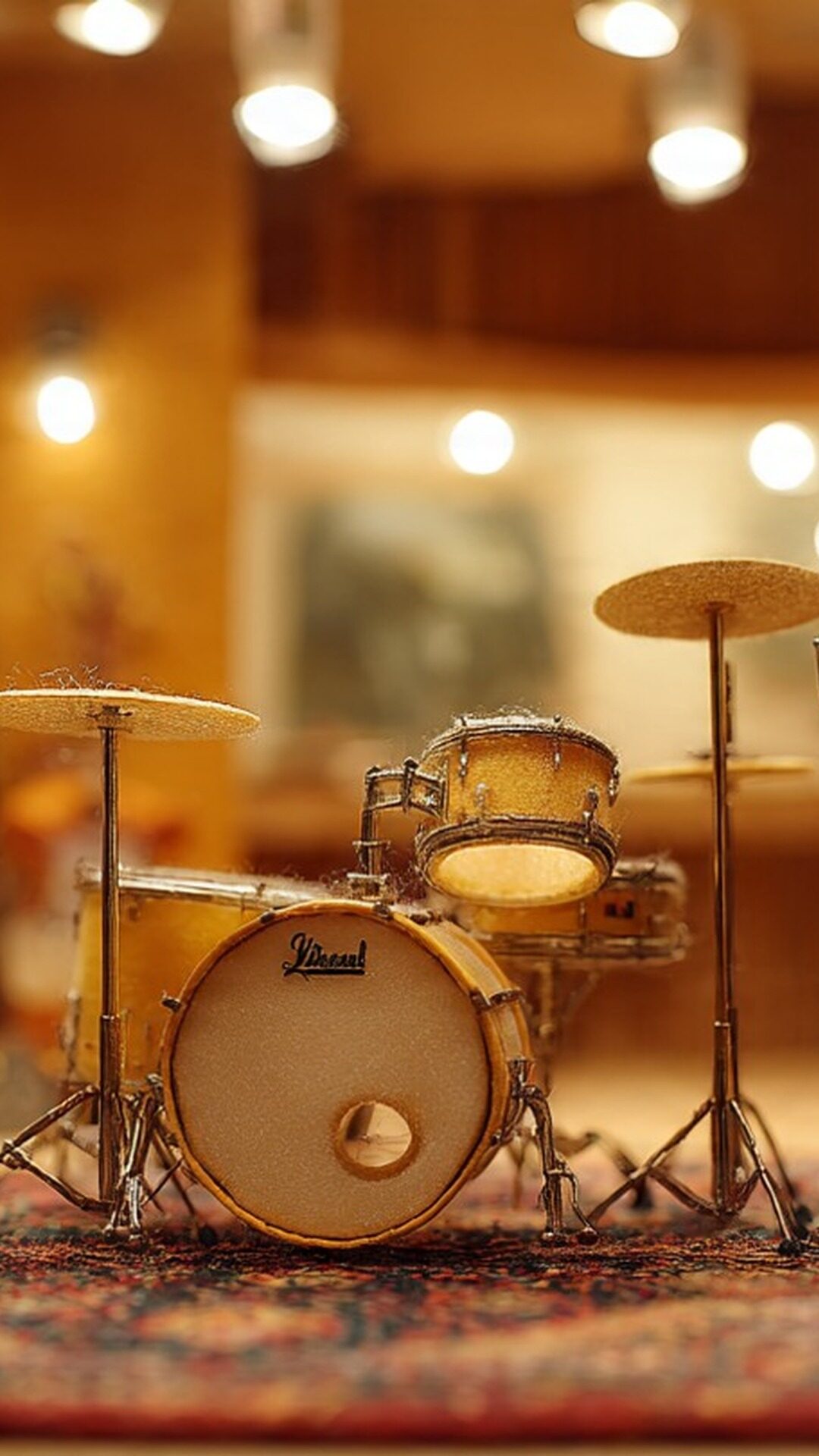
Recorded three times: 6 June 1962 (with Pete Best on drums; this version remained unreleased until Anthology 1), 4 September 1962 (Ringo's first Beatles session), and 11 September 1962 (when George Martin, unhappy with Ringo's playing, brought in session drummer Andy White and demoted Ringo to tambourine on this take). The 4 September Ringo version is on the Please Please Me LP; the 11 September Andy White version was on the original UK single. Most US releases use the White version. The September session featured session drummer Andy White, whose drum sound prompted the re-recording after George Martin deemed the earlier take insufficient. Norman Smith's engineering notes from the date confirm that 18 takes of the remake were laid down before one proved satisfactory. Ringo Starr, displaced from drums, played tambourine on the final version to preserve his presence (Lewisohn 1988, p.20).
| Studio | EMI Studios, Abbey Road — predominantly Studio Two |
|---|---|
| Tape machine | Twin-track BTR-2 (1962); Studer J37 four-track from late-1963 |
| Console | REDD.37 / REDD.51 valve consoles |
| Microphones | Neumann U47, U48; AKG D19 (drums); STC 4038 (overheads) |
| Outboard / effects | EMI RS124 compressor (Altec 436B mod), EMT 140 plate reverb, STEED tape echo |
| Guitars | Rickenbacker 325 (Lennon), Gretsch Country Gent / Tennessean (Harrison), Höfner 500/1 violin bass (McCartney), Ludwig Oyster Black Pearl kit (Starr) |
| Amplifiers | Vox AC30 (TB & non-Top-Boost variants) |
| Producer | George Martin |
| Engineer / 2nd | Norman Smith • Richard Langham, Geoff Emerick (2nd) |
| Estimated takes | 18 (highest take number documented in Lewisohn (1988)) |
Legacy & release history
UK number 17 — modest but the foundation. Re-released in 1982 to mark the 20th anniversary; became UK number four. The song is the official starting point of the Beatles' recording career and the harmonica hook the first identifiable Beatle musical signature. Love Me Do ranks second in Lewisohn's coverage (35 pages of reference across the Complete Sessions), and remains one of only six Beatles songs featuring dual lead vocals with the same pair of singers. At 2m 22s, its duration sits at the 38th percentile of the canon, shorter than the era median but characteristic of beat-era pop singles. Despite modest chart performance in the UK (17 weeks on the chart, peaking at No.1 on the NME chart), it became the cultural marker of the group's debut and was later adopted as the closing track on the Please Please Me album (Lewisohn 1988, p.32).
Mono & stereo
- Mixed primarily in mono at Abbey Road; the Beatles attended only the mono mixes through Sgt Pepper.
- Stereo mixes from this period were prepared (often without the band present) and are now considered secondary by purists.
Documented alternate versions
- Anthology 1 (1995) — alternate take
Released on
- Please Please Me — LP, 22 March 1963
- The Beatles' Hits — EP, 6 September 1963
- Love Me Do — Single, 5 October 1962
Cross-references
Other songs sharing themes (debut-single, harmonica, plea)
Other songs led by the same vocalist
Other songs from this era
debut-singleharmonicaplea
References & external databases
Frequently asked
Who wrote Love Me Do?
“Love Me Do” was written by Lennon–McCartney.
Who sings lead on Love Me Do?
The lead vocal on “Love Me Do” is by Paul McCartney & John Lennon.
When was Love Me Do recorded?
“Love Me Do” was recorded 4 Sep & 11 Sep 1962 at EMI Studios, Abbey Road.
How many takes did Love Me Do require?
Mark Lewisohn's session log documents up to 18 numbered takes for “Love Me Do”.