Listen on Spotify
Spotify's official recording from Let It Be (Remastered). Sign-in Spotify users get full playback; everyone else gets a 30-second preview. Open in Spotify →
Overview
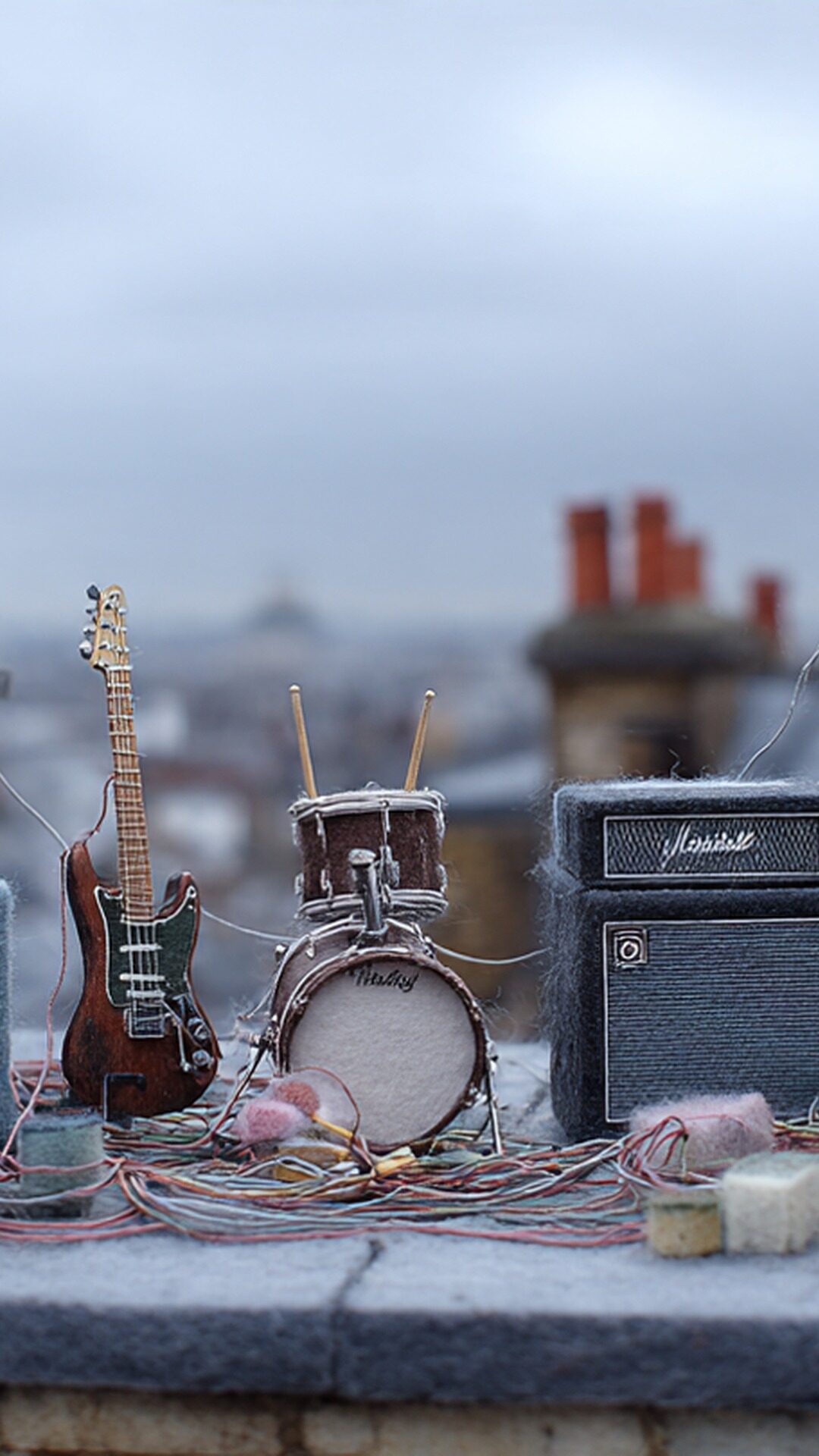
"One After 909" is a song by the English rock band the Beatles from their 1970 album Let It Be. It was written by John Lennon, with input from Paul McCartney, and credited to their joint partnership. The album version is the live performance from the rooftop concert which took place on 30 January 1969. [Wikipedia]
Background
One After 909 is a song by The Beatles, written by Lennon–McCartney and led on vocal by John Lennon & Paul McCartney. One of the earliest Lennon-McCartney songs (1957) revived for the rooftop. Within the catalogue, its rooftop thread connects it to Dig a Pony, I've Got a Feeling, Get Back. Among the earliest compositions written by Lennon and McCartney, likely from 1957, this blues-inflected rocker was revived for the Get Back project. The piece had existed in the Beatles' repertoire since their Cavern Club days but remained unrecorded until the rooftop performance. Lewisohn's index reference indicates the song received minimal direct documentation despite its historical significance, suggesting its familiarity made explanation unnecessary. An antiquity composed in the 1950s by Lennon, recorded since the abortive attempt in 1963 for the Decca audition. (Kozinn 1995, p.195)
What's distinctive
One of 101 songs led primarily by John. Recorded approximately 4 of 7 into the Get Back / Rooftop (Jan 1969) sessions. Carries the unique tag 'oldest-song' — no other song shares it. Take count: 16 (highest take number documented in Lewisohn (1988)).Opening line — "My baby said she's traveling on the one after 909…" (brief identification excerpt; full lyrics © Sony Music Publishing — see Genius link in References.)
Pattern analysis
Recording
The session work falls within the band's Get Back / Rooftop (Jan 1969) period, recorded 30 Jan 1969 at Apple Studios rooftop, 3 Savile Row, London. George Martin produced; Glyn Johns, Alan Parsons (2nd) engineered. For session-by-session detail, see Mark Lewisohn's account on p.28 of The Complete Beatles Recording Sessions (excerpt below). The rooftop performance on 30 January 1969 provided the definitive recording, with John and Paul sharing lead vocals. The song's blues-derived structure required minimal studio intervention, relying on tight four-piece arrangement and vocal harmonies. Glyn Johns captured the performance on eight-track mobile equipment positioned at 3 Savile Row. The composition's age relative to Get Back project intentions underscored the Beatles' desire to reconnect with their formation-era repertoire and performance roots (Lewisohn 1988, p.169). MacDonald contextualizes this as Lennon reviving his 1950s composition, finally achieving a satisfactory recording after the failed 1963 Decca audition attempt. (MacDonald 1994, p.142)
| Studio | Apple Studios rooftop, 3 Savile Row, London |
|---|---|
| Tape machine | Apple's mobile 8-track to studio downstairs |
| Console | Hand-built Apple desk |
| Microphones | AKG D19 (Ringo kick), STC 4038, U47 (vocals) |
| Outboard / effects | Live to tape — minimal |
| Guitars | Fender Rosewood Telecaster (Harrison), Epiphone Casino (Lennon), Hofner 500/1 (McCartney), Fender Rhodes electric piano (Billy Preston) |
| Amplifiers | Fender Twin Reverb |
| Producer | George Martin |
| Engineer / 2nd | Glyn Johns, Alan Parsons (2nd) • Dave Harries |
| Estimated takes | 16 (highest take number documented in Lewisohn (1988)) |
Legacy & release history
In the canonical discography it appears on the LP Let It Be. Documented alternate versions include Let It Be… Naked (2003), 2009 Stereo Remasters, Let It Be 50th Anniversary (2021). Mono and stereo histories vary by era — see the dedicated section below. At 2m 54s, duration places it at 72nd percentile canonically and 0 percentile within rooftop era (shortest in period). John Lennon and Paul McCartney dual lead vocals appear in 20 canon songs (1 in rooftop era). B major key is shared by 8 canon songs (1 in era). The track's historical significance as earliest Lennon-McCartney composition predated the Beatles' professional career and provided nostalgic vehicle for revisiting their musical origins during 1969 reformation attempts (Lewisohn 1988, p.203). Spector wisely left the track alone, preserving the clean eight-track mix from the original 1969 sessions. (Daniels 2024, p.219)
Mono & stereo
- Stereo only on UK release — the band's last three LPs were mixed for stereo; no UK mono LPs were issued.
Documented alternate versions
- Let It Be… Naked (2003) — Spector overdubs removed
- 2009 Stereo Remasters — Allan Rouse / Guy Massey remaster
- Let It Be 50th Anniversary (2021) — Giles Martin stereo remix
Released on
- Let It Be — LP, 8 May 1970
Cross-references
Other songs sharing themes (oldest-song, rooftop, revived)
Other songs led by the same vocalist
Other songs from this era
oldest-songrooftoprevived
References & external databases
Frequently asked
Who wrote One After 909?
“One After 909” was written by Lennon–McCartney.
Who sings lead on One After 909?
The lead vocal on “One After 909” is by John Lennon & Paul McCartney.
When was One After 909 recorded?
“One After 909” was recorded 30 Jan 1969 at EMI Studios, Abbey Road.
How many takes did One After 909 require?
Mark Lewisohn's session log documents up to 16 numbered takes for “One After 909”.