Listen on Spotify
Spotify's official recording from The Beatles (Remastered). Sign-in Spotify users get full playback; everyone else gets a 30-second preview. Open in Spotify →
Overview
"Ob-La-Di, Ob-La-Da" is a song by the English rock band the Beatles from their 1968 double album The Beatles. It was written by Paul McCartney and credited to the Lennon–McCartney partnership. Following the album's release, the song was issued as a single in many countries, although not in the United Kingdom or the United States, and topped singles charts in Australia, Japan, New Zealand, Switzerland and West Germany. [Wikipedia]
Background
Ob-La-Di, Ob-La-Da is a song by The Beatles, written by McCartney and led on vocal by Paul McCartney. Title from Jimmy Scott; remade three times, John smashed in the piano riff. Paul McCartney's cheerful rocksteady number Ob-La-Di, Ob-La-Da reflected the Beatles' continued exploration of rhythm-and-blues and reggae-influenced material during 1968. The song's upbeat narrative and singalong structure provided radio-friendly contrast to the album's experimental sections. McCartney's lead vocal and melodic sensibility drove the composition. (His 'Back in the U Kozinn 1995, p.182)
What's distinctive
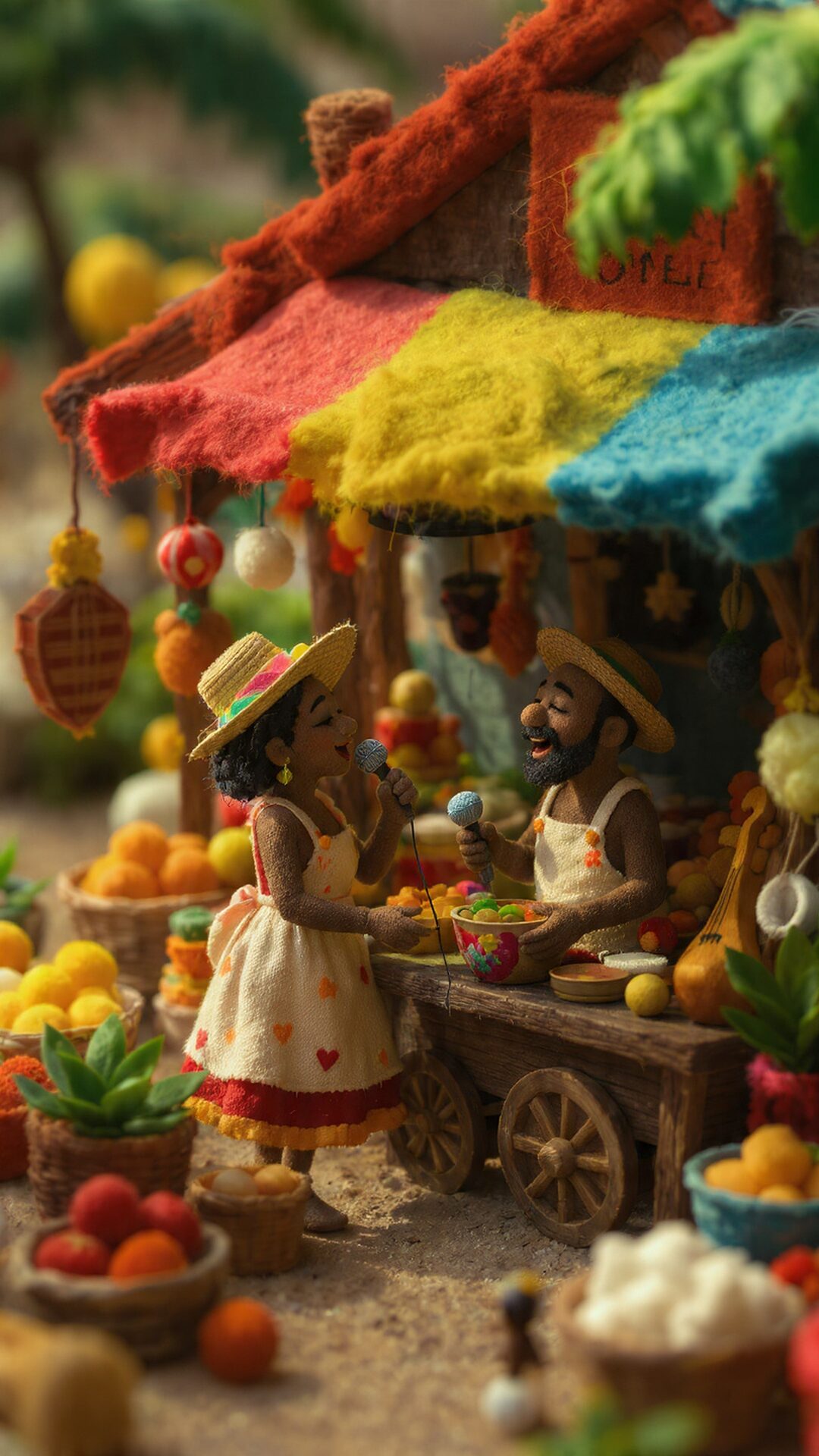
At 3:08 it sits in the top fifth by length. One of 65 songs led primarily by Paul. Recorded approximately 9 of 34 into the The White Album (1968) sessions. Carries the unique tag 'jimmy-scott-phrase' — no other song shares it. Take count: 67 (highest take number documented in Lewisohn (1988)).Opening line — "Desmond has a barrow in the marketplace…" (brief identification excerpt; full lyrics © Sony Music Publishing — see Genius link in References.)
Pattern analysis
Recording
The session work falls within the band's The White Album (1968) period, recorded 8 Jul 1968 at EMI Studios + Trident Studios (Soho). George Martin (with Chris Thomas covering) produced; Ken Scott (early), Geoff Emerick walked off — replaced engineered. For session-by-session detail, see Mark Lewisohn's account on p.140 of The Complete Beatles Recording Sessions (excerpt below). Recorded with a driving rhythm section and energetic vocal arrangement, the track captured the Beatles' ability to navigate diverse popular music styles. The session prioritized McCartney's lead vocal and the song's infectious hook, utilizing Abbey Road's recording capabilities to achieve maximum radio clarity. (eks I had noticed that John’s behavior was becoming increasingly erratic—his mood swings were more Emerick 2006, p.636)
| Studio | EMI Studios + Trident Studios (Soho) — first Beatles 8-track sessions: 'Hey Jude' onward |
|---|---|
| Tape machine | Studer A80 8-track (Trident), 4-track at EMI until late 1968 |
| Console | REDD/TG12345 prototype; Trident A-Range |
| Microphones | U47/U48, AKG C12, U67 introduced |
| Outboard / effects | EMI RS124, EMT 140 & 250 (Trident), Fairchild 660, ADT, tape flanging, fuzz, wah (Vox/CryBaby) |
| Guitars | Epiphone Casino, Fender Strat (Rocky), Gibson J-200 acoustic, Martin D-28, Fender Telecaster Bass |
| Amplifiers | Fender Twin Reverb, Fender Bassman, Vox UL730 |
| Producer | George Martin (with Chris Thomas covering) |
| Engineer / 2nd | Ken Scott (early), Geoff Emerick walked off — replaced • John Smith, Mike Sheady, Barry Sheffield (Trident) |
| Estimated takes | 67 (highest take number documented in Lewisohn (1988)) |
Legacy & release history
In the canonical discography it appears on the LP The Beatles (White Album). Documented alternate versions include Anthology 3 (1996), Mono Masters (2009 box), White Album 50th Anniversary (2018). Mono and stereo histories vary by era — see the dedicated section below. Paul McCartney lead vocals appear in 65 canon songs (13 in White era). The track exemplified McCartney's pop sensibility and commercial instincts.
Mono & stereo
- Both mono and stereo mixes were prepared; the UK mono White Album (PMC 7067/8) has many distinct edits, mixes and effects vs. the stereo (PCS 7067/8) — collectors prize the mono.
Documented alternate versions
- Anthology 3 (1996) — alternate take or demo
- Mono Masters (2009 box) — Allan Rouse / Guy Massey remaster
- White Album 50th Anniversary (2018) — Giles Martin stereo remix
Released on
- The Beatles (White Album) — LP, 22 November 1968
Cross-references
Other songs sharing themes (jimmy-scott-phrase, piano-bash, reggae-influence, divisive)
Other songs led by the same vocalist
Other songs from this era
jimmy-scott-phrasepiano-bashreggae-influencedivisive
References & external databases
Awards & recognition
- Ivor Novello: Award for the song
Recognition mentions extracted from the Wikipedia article. Verify against the linked source before quoting.
Frequently asked
Who wrote Ob-La-Di, Ob-La-Da?
“Ob-La-Di, Ob-La-Da” is credited to Paul McCartney (Lennon–McCartney).
Who sings lead on Ob-La-Di, Ob-La-Da?
The lead vocal on “Ob-La-Di, Ob-La-Da” is by Paul McCartney.
When was Ob-La-Di, Ob-La-Da recorded?
“Ob-La-Di, Ob-La-Da” was recorded 8 Jul 1968 at EMI Studios, Abbey Road.
How many takes did Ob-La-Di, Ob-La-Da require?
Mark Lewisohn's session log documents up to 67 numbered takes for “Ob-La-Di, Ob-La-Da”.